states of mind
democratic and participatory approaches to systemS change.
We co-create new realities for education and mental health care through Intergenerational dialogue, Participatory action research and social action.
about us
What we do
We provide therapeutic spaces outside of clinical settings where psychology is used to help young people cultivate empathy, self-awareness and personal responsibility. We support young people to develop agency and insight through collaborative and psychologically informed sense making spaces.
We deliver participatory action research projects that enable psychologists and young people to collaborate to design alternative realities for education. We reposition young people as active participants in meaning making, decision making and reality building.
We also provide training for psychologists, schools and community organisations so that they can establish new ways of working that reduce power imbalances and embed reflective spaces, self-enquiry and therapeutic practice in everyday life.
WHY WE DO IT
We recognise that the current paradigms of schooling and the medical model of mental health care are negatively impacting young people’s capacity for autonomy, self-knowledge, critical thinking and psychological health.
Therapy is still largely unavailable, inaccessible and isolated from the community spaces where people make sense of the world. Therapeutic spaces are a catalyst for generating meaning and sense making. We believe this should be available to everybody, especially when growing up, to support a deeper level of insight into ourselves, others and the world in which we live.
Ultimately, we believe healthy relational spaces can liberate young people from the traumatic impact of coercive systems and support them to think for themselves, make their own decisions and take ownership of their lives.
HOW WE WORK
We run projects that provide long term therapeutic and sense making spaces for young people to co-create new ways of being and belonging in their everyday lives.
We use a relational, trauma informed and psychospiritual approach to viewing and understanding young people's experiences.
We provide tools and spaces for young people to turn towards and make sense of their suffering so that it can be transformed into meaning, healing and purposeful action.
We have had it the wrong way around - adults have chosen and influenced how young people make sense of their own world. We provide opportunities for young people to make sense of their own lives and create their own meaning. From this, true individuality is born.
States of Mind: How Adults and Young People can work together to change education and mental health systems.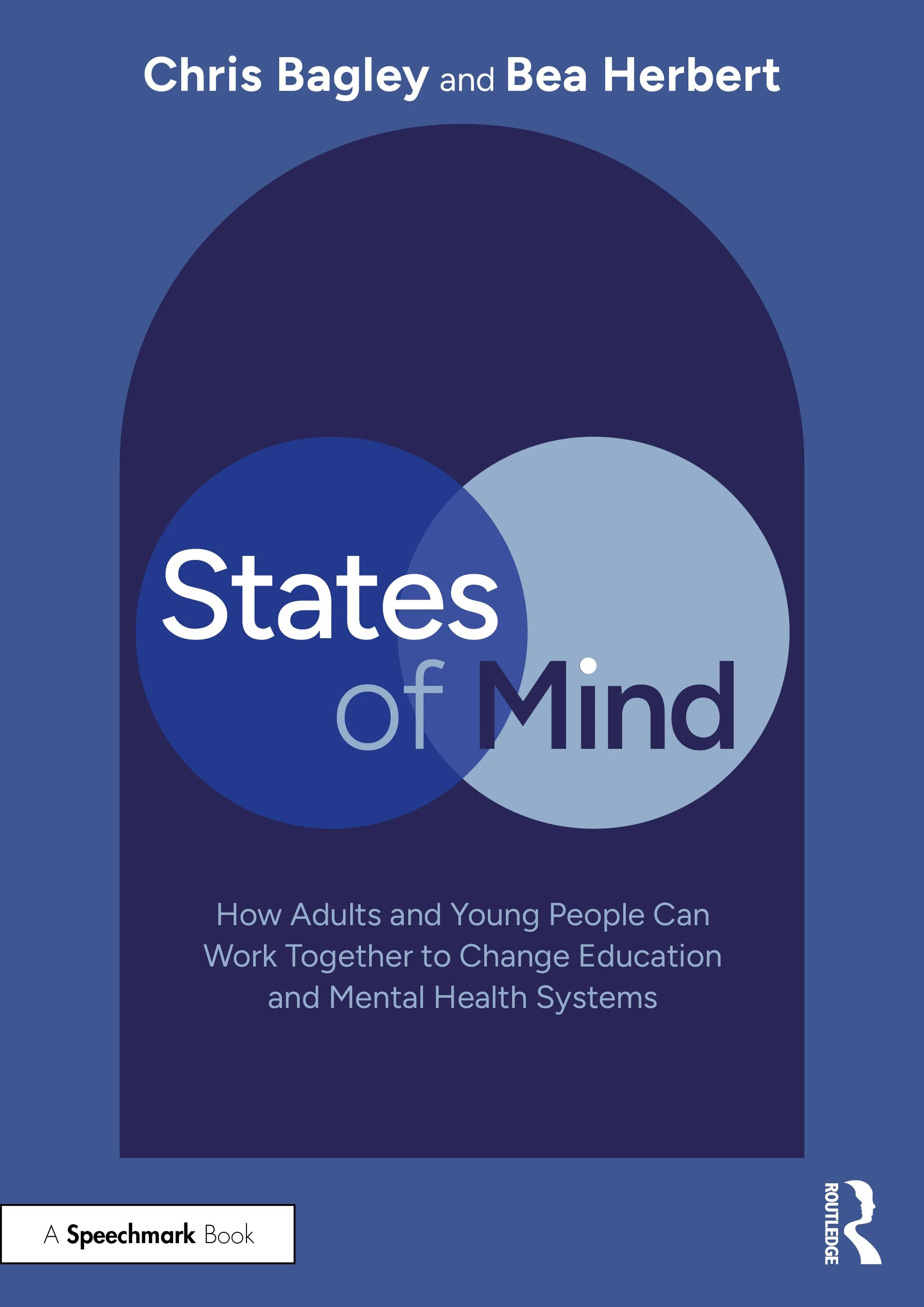
NEW BOOK RELEASE
States of Mind critiques the traditional paradigms that shape our mental health and school systems, from diagnostic labels to high-stakes assessment, unravelling what they are, how they came into being, and why they need to evolve to better serve young people.
The book reconceptualises these systems and shows that, by embracing a different worldview, we can work with young people in a way that fosters belonging, personal growth and collective action. With a focus on meaningful change, it introduces approaches which place young people at the centre as active participants, working alongside adults on complex problems, generating outcomes and co-constructing solutions. These include critiquing and re-imagining school evaluation; designing whole-school policies to promote staff and student wellbeing; and developing programmes to explore our states of mind to support individuals and communities to flourish. Case studies, provocations and examples of inspirational people and organisations are included to empower the reader to rethink their own practices.
Education should support us, both individually and collectively, to co-construct ways of being, thinking and acting authentically. States of Mind is essential reading for teachers, educational psychologists, advocacy organisations, think tanks, and all those wishing to create more hopeful, humane mental health and education systems.
current PROJECTS
BREAKING THE SILENCE
Breaking the Silence is a five-year action research study where young people worked with other stakeholders to build an education evaluation framework – the ‘Review for Progress and Development’. It is a flexible, democratic, collaborative method of evaluating educational success that is based on trust and self-evaluation in collaboration with similar schools.
selfology
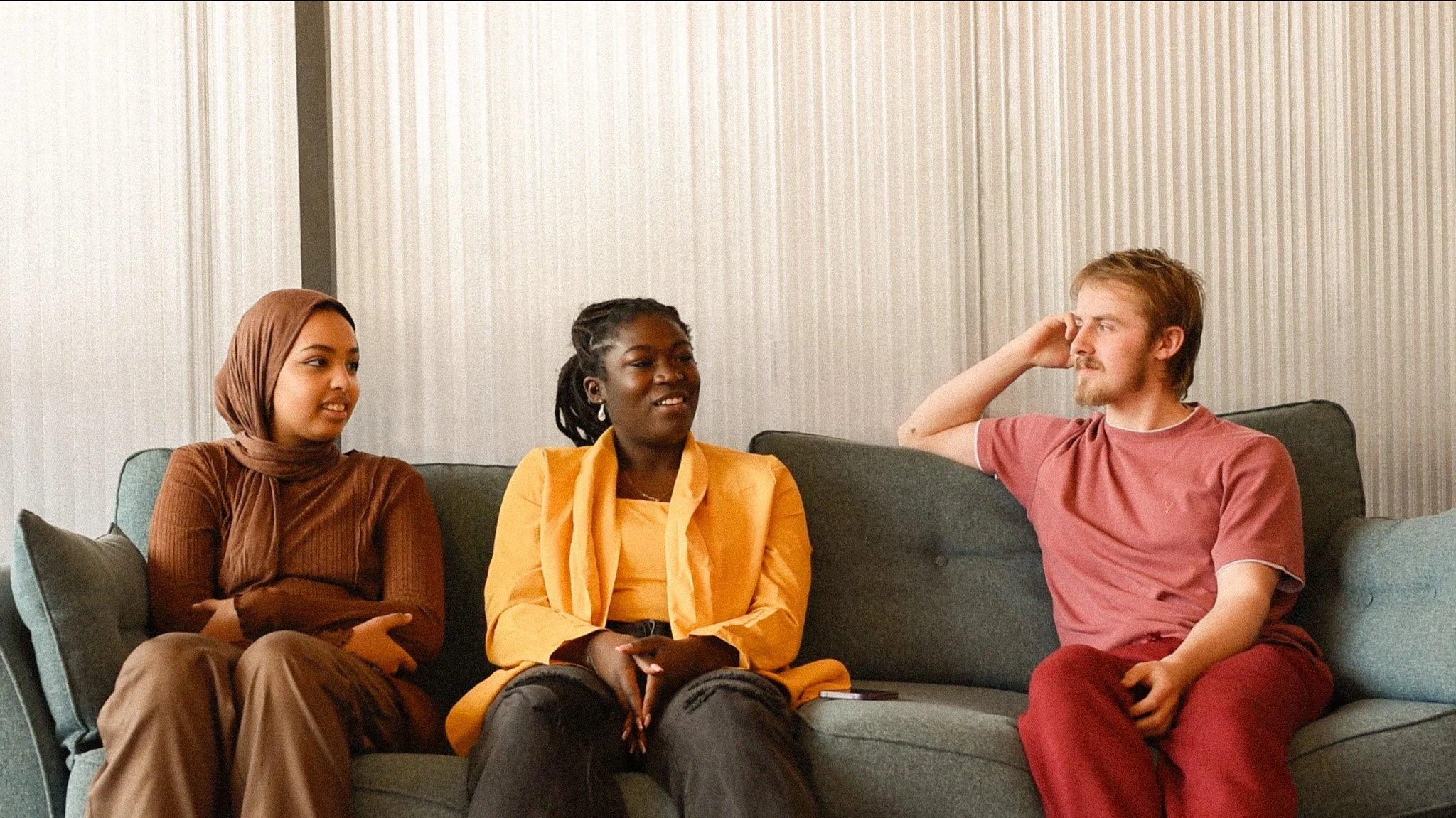
Selfology is a psycho-educational group learning programme, which provides young people with the space to explore their inner life.
The programme makes knowledge of psychology and therapeutic techniques accessible to 14–25-year-olds outside of a clinical setting.
The result is a non-pathologising and non-medicalised approach to supporting young people’s wellbeing and development that supports personal and interpersonal insight, responsibility, and heightened social consciousness.
WELLBEING AMBASSADORS PROGRAMME
The Wellbeing Ambassadors Programme (WBA) is a project-based learning programme that enables students and teachers to identify the underlying causes of poor wellbeing in their institution and develop innovations for greater wellbeing in their school.
SoM were invited to develop an early intervention programme for eight colleges. The programme enables schools to actively involve students in assessing the effectiveness of their current wellbeing provision while developing tailored, student-led solutions that address the underlying issues impacting student mental health.
past PROJECTS
the campus wellbeing project
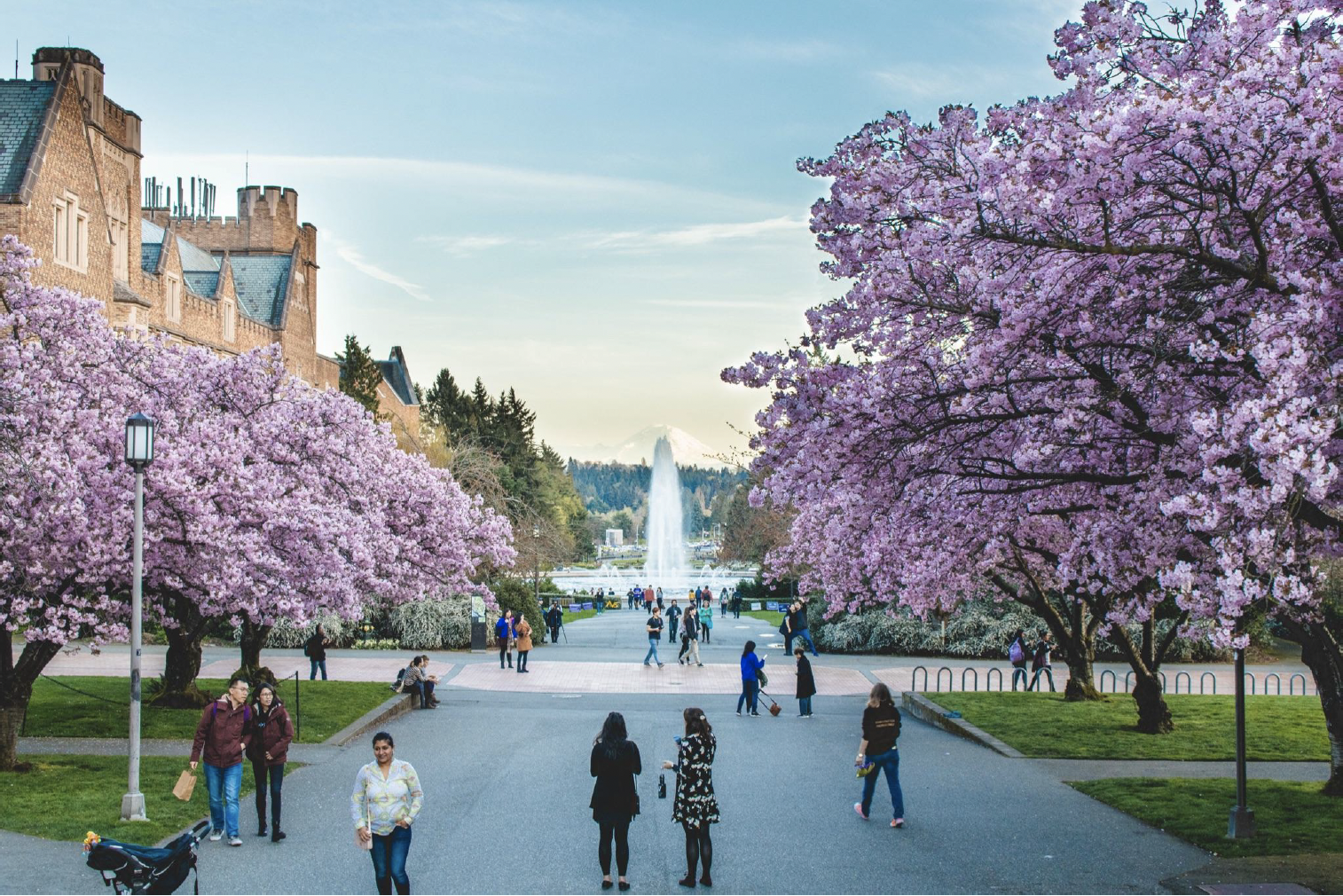
Choosing which University to attend is a life-changing decision and a key point of transition in many young people’s lives.
At present, Universities offer a variety of information about their academic offer. However, young people identified a need and opportunity for students to be able to access information related to the quality of a Universities wellbeing provision and culture, so that they can make a more informed and holistic decision around which University to attend.
To address this, Boehringer Ingelheim, ASHOKA and States of Mind aimed with the “Great Place to Learn:Campus Wellbeing Project“ to enable students to research and identify the key dimensions of wellbeing that students consider as the most important, in order to sustain their health and wellbeing throughout their time at University. These dimensions were explored and a feedback system made accessible through an open source tech platform, co-designed by young people, so that students can now input their views, experiences and recommendations on a global scale.
Year
2022-2024
connecting minds

Year
2021-2023
The Connecting Minds programme took States of Mind’s democratic and participatory approach from schools and applied it across 10 Foyer settings to produce a delivery model that could support more young people through and beyond the pandemic period.
The Connecting Minds programme was delivered through a partnership between States of Mind and InspireChilli, with funding from the National Lottery Community Fund and wider backing from The Foyer Federation.
Connecting Minds placed young people at the centre of problem solving their own mental health challenges, replacing the negative narrative of wellbeing disorders with more helpful insights into the causes of their distress.
Staff were trained as Selfology facilitators and up skilled in therapeutic skills and techniques from Talk for Health. Young people developed a range of projects from the introduction of talking groups focusing on personal experiences and wellbeing, to animal therapy and group trips.
Connecting Minds demonstrated that youth practitioners can deliver positive therapeutic outcomes for young people when therapeutic knowledge and skills are democratised for use in community settings.
The Berry Hub
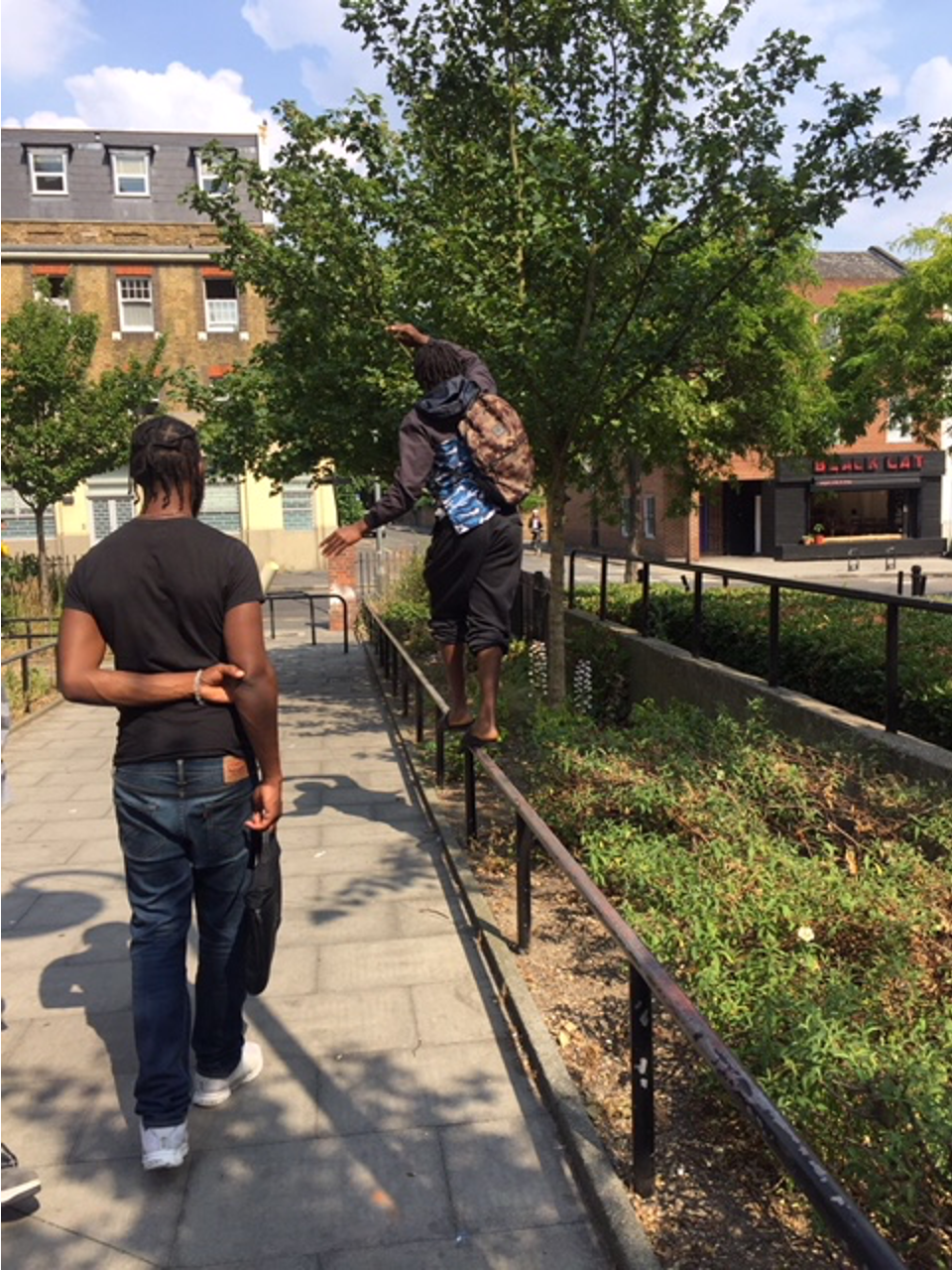
‘The Berry Hub’ was a collaborative project delivered by Owls, States of Mind and the Anna Freud Centre. The project took place at the Pembury Estate in Hackney and worked with young residents, to understand the underlying causes of poor mental health for young people on the estate and to develop new approaches to improve their wellbeing.
Year
2018-2019
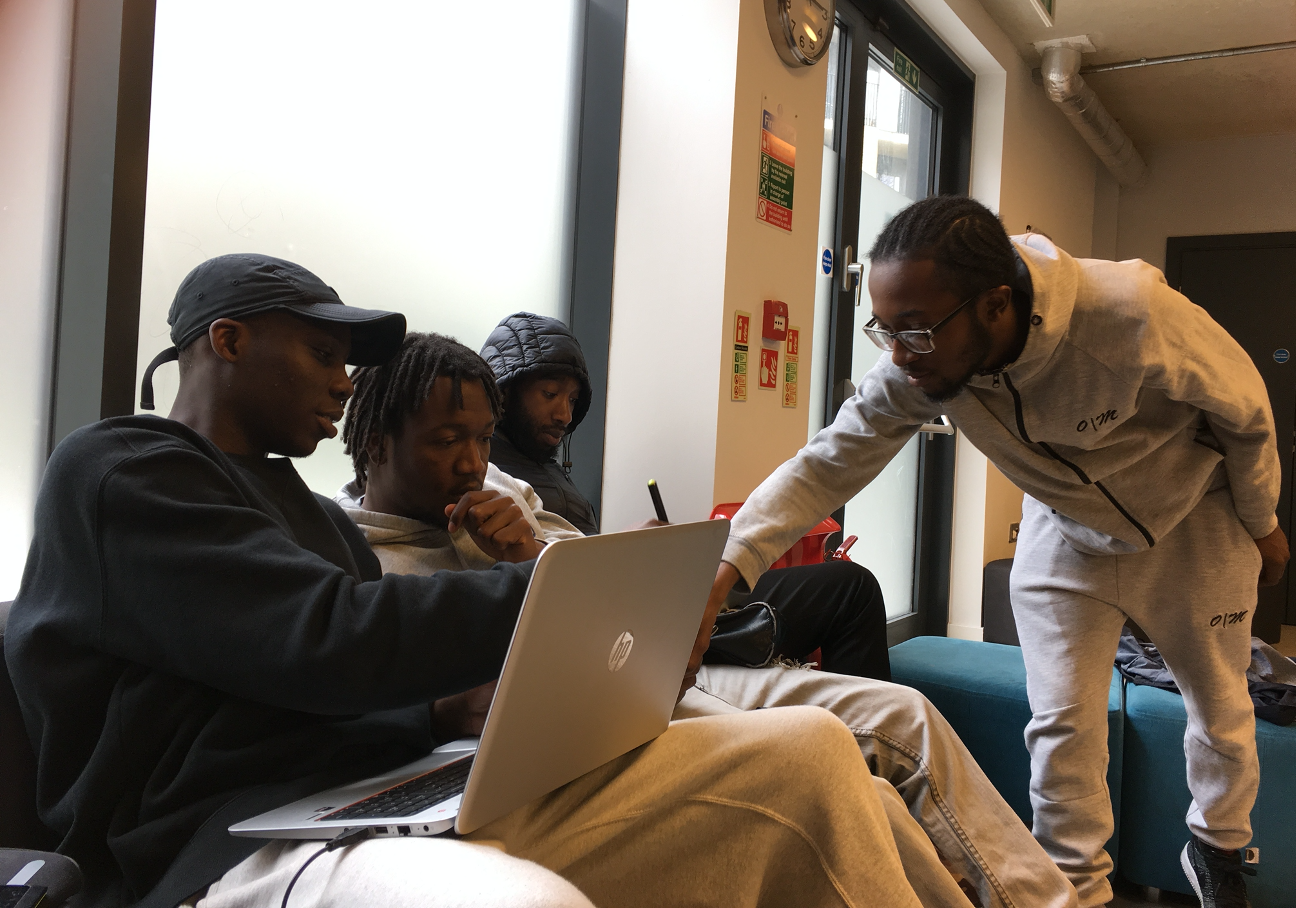
Drawing on their experiences growing up on Pembury, the young people designed a creative learning hub for the local community, which was due to take place in disused garages on the estate. The aim was to provide a creative space where young people were able to come together and share ideas, while developing their skills in various fields. They planned a series of workshops run by young people, together with a mentoring programme, supporting positive relationships to develop in the community.
The project demonstrated the power of trusting young people to lead the design of mental health innovation in community settings.
Unfortunately after receiving permission during an initial meeting with an estate staff member, the permission was later withdrawn and the young people decided to discontinue the project.
The project represented one of States of Mind’s first experiences of how system forces act as barriers to democratic innovation in community settings.
Let’s Work Together