Who We Are
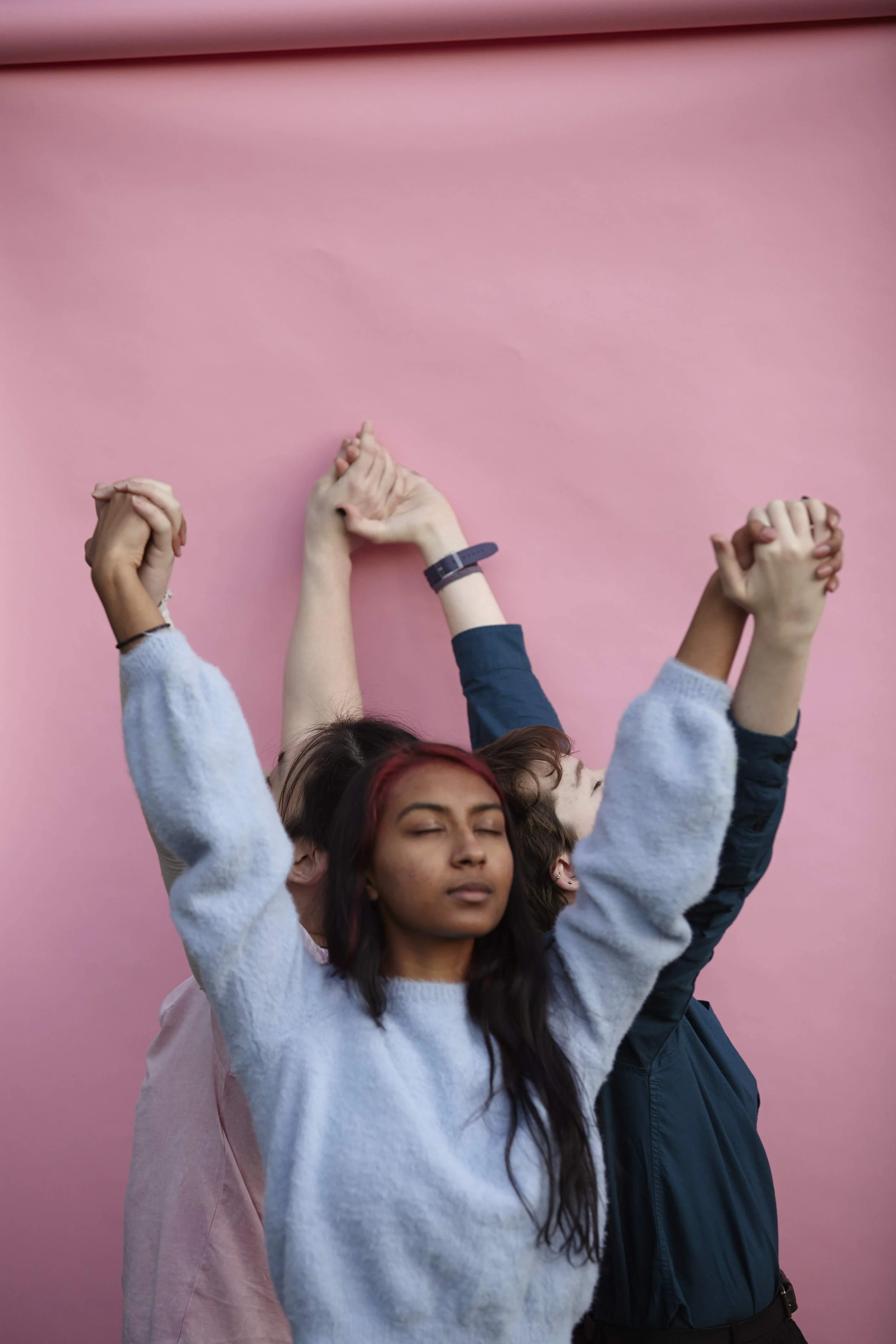
SoM was founded in 2017 with a core aim: to develop authentic, democratic and participatory approaches to improving young people’s psychological health and wellbeing. To do this, we work alongside young people and professionals to generate spaces where they can perceive the invisible psychological forces that shape their sense of self and consider how these systems shape their internal and external lives.
For the last eight years we have collaborated with numerous stakeholders in secondary schools, sixth form colleges, community settings and supported housing organisations to examine the dynamic inter-relationship between teenagers and the education and mental health systems. We support young people to notice patterns and critique paradigms that are often obscured or not up for discussion. They are given permission to express their perspectives about practices that undermine their personal development, mental health and wellbeing, and quality of life, while also supporting them to generate solutions.
We seek to subvert ideological roadblocks by moving beyond compelled paradigms that feel fixed and self-evident, to craft a theoretical framework for understanding and thinking about what it means to be human. In doing so, the biological, social, psychological and spiritual aspects of every person are viewed as equally important.
We recognise that these phenomena are exceptionally complex, interact with one another and are defined differently by people who experience the world, and themselves, in varied ways. SoM has evolved in response to practices and debates in the education and mental health arenas and an aspiration to establish philosophical approaches and methodologies that liberate children and young people.
Meet the Team
-
![]()
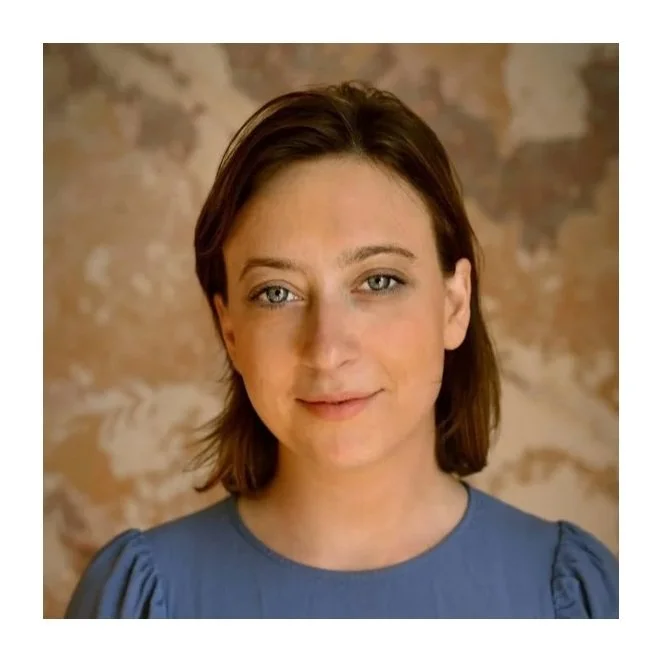
Bea Herbert
FOUNDER
Bea is a Psychosynthesis Psychologist and Founder of States of Mind CIC. Bea has spent her professional career working alongside young people to co-develop alternatives to the medicalised model of mental health care at an individual, community and systems level. She is dedicated to the application of psychological theory and practice for the development of truly holistic and democratic approaches to systems change. -
![]()
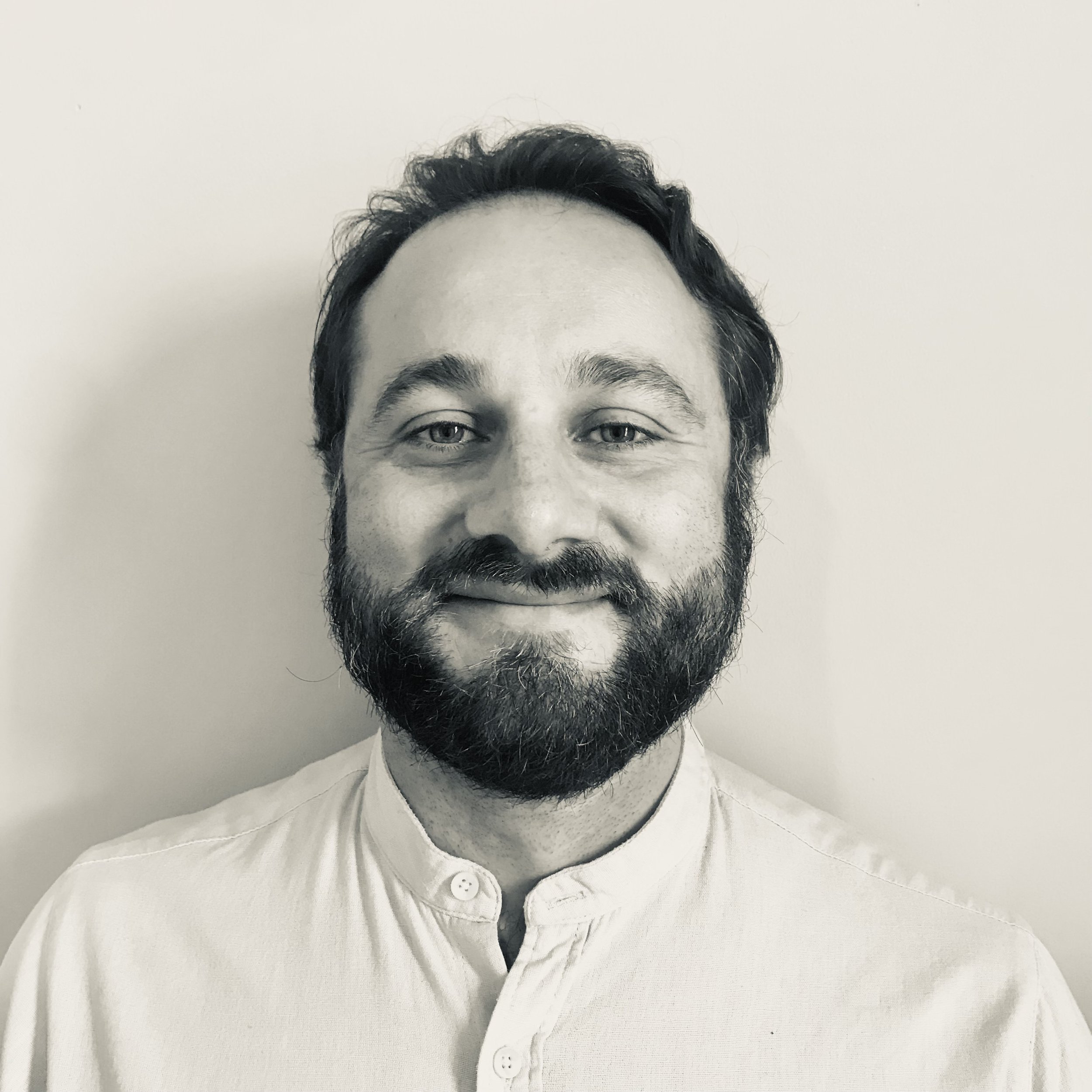
Chris Bagley
DIRECTOR OF RESEARCH
Chris is a psychologist, teacher, author and musician with an interest in the evolution of ideas, educational transformation and systems change. His purpose is to co-develop psychologically healthy education and mental health systems. As a practitioner psychologist, much of Chris' work has involved supporting marginalised young people and families who are subject to the youth justice system, or those attending Pupil Referral Units or in a Secure Children's Home. -
![]()
MICHAEL NORTON
DIRECTOR
Michael has dedicated his life to enhancing society and empowering young people through social entrepreneurship. Michael founded the Directory of Social Change , Changemakers, YouthBank UK and Unltd. He received an OBE in 1998 for services to the voluntary sector. Michael has supported the development of States of Mind since it’s inception and oversees the delivery of States of Mind’s social action projects. -
![]()
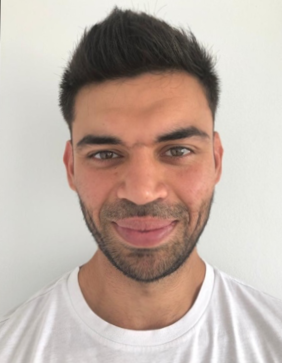
JASPAR KHAWAJA
PARTICIPATORY ACTION RESEARCH LEAD
Jaspar has recently completed a Doctorate in Professional Educational Child and Adolescent Psychology at UCL’s Institute of Education. Prior to this, Jaspar worked in a secondary school with young people who had experienced trauma, and in a CAMHS inpatient unit for adolescents with mental health problems. Jaspar believes in promoting educational reform to meet the psychological needs of children and young people. He has undertaken university research in collaboration with States of Mind as part of the Breaking the Silence project, in order to do just that.